

BSC Public Lecture: Peacebuilding and Identity Politics in BiH: The Role of International Organizations
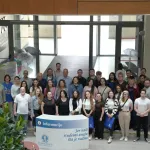
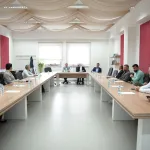
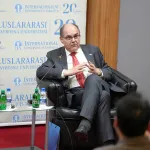
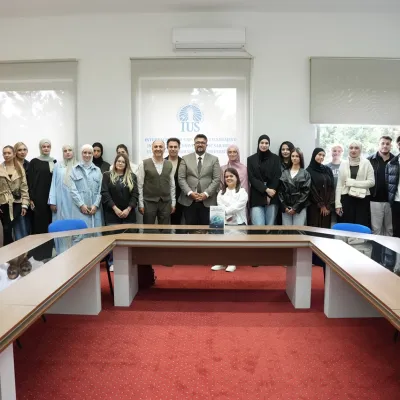
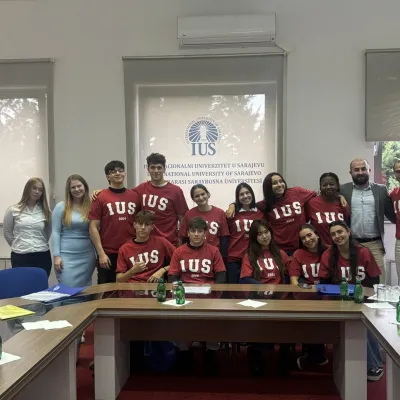
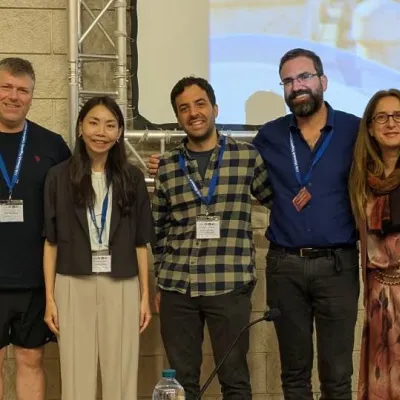
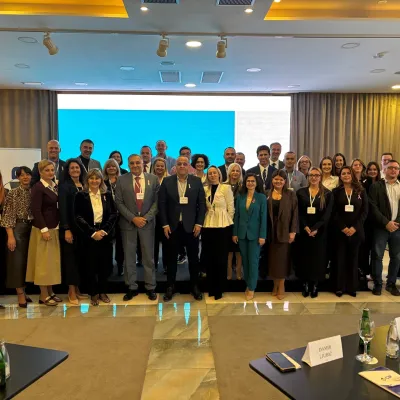
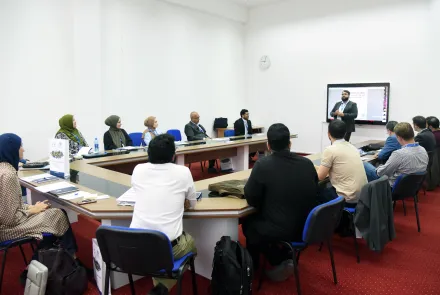
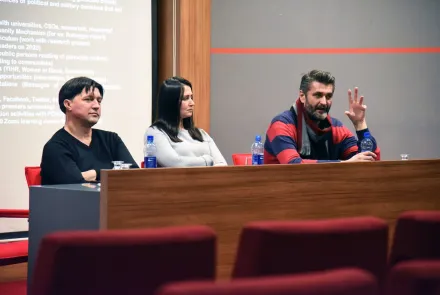
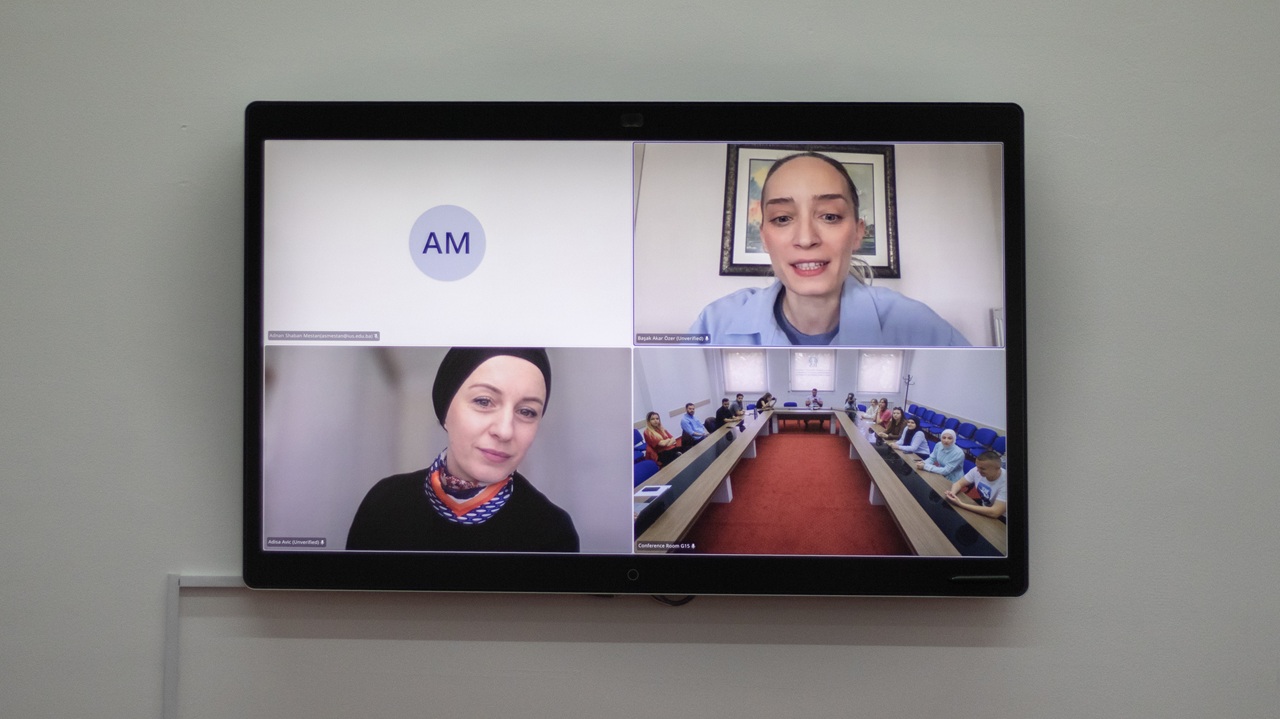
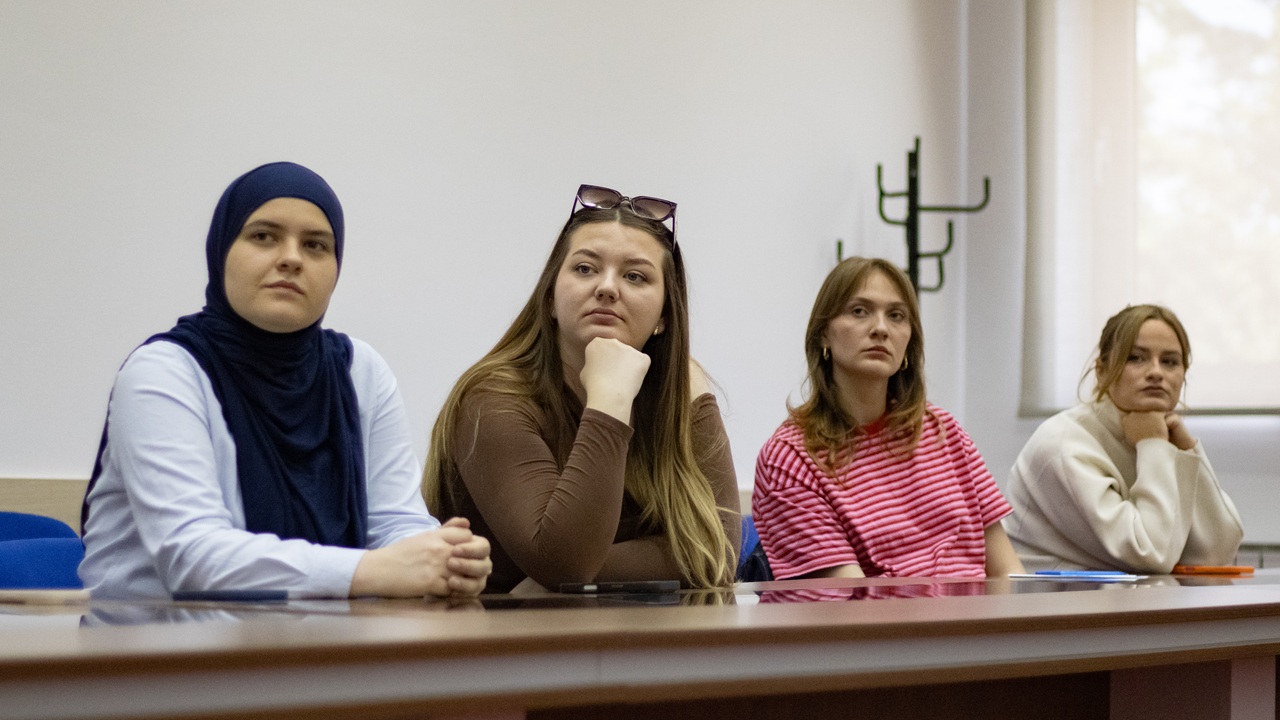
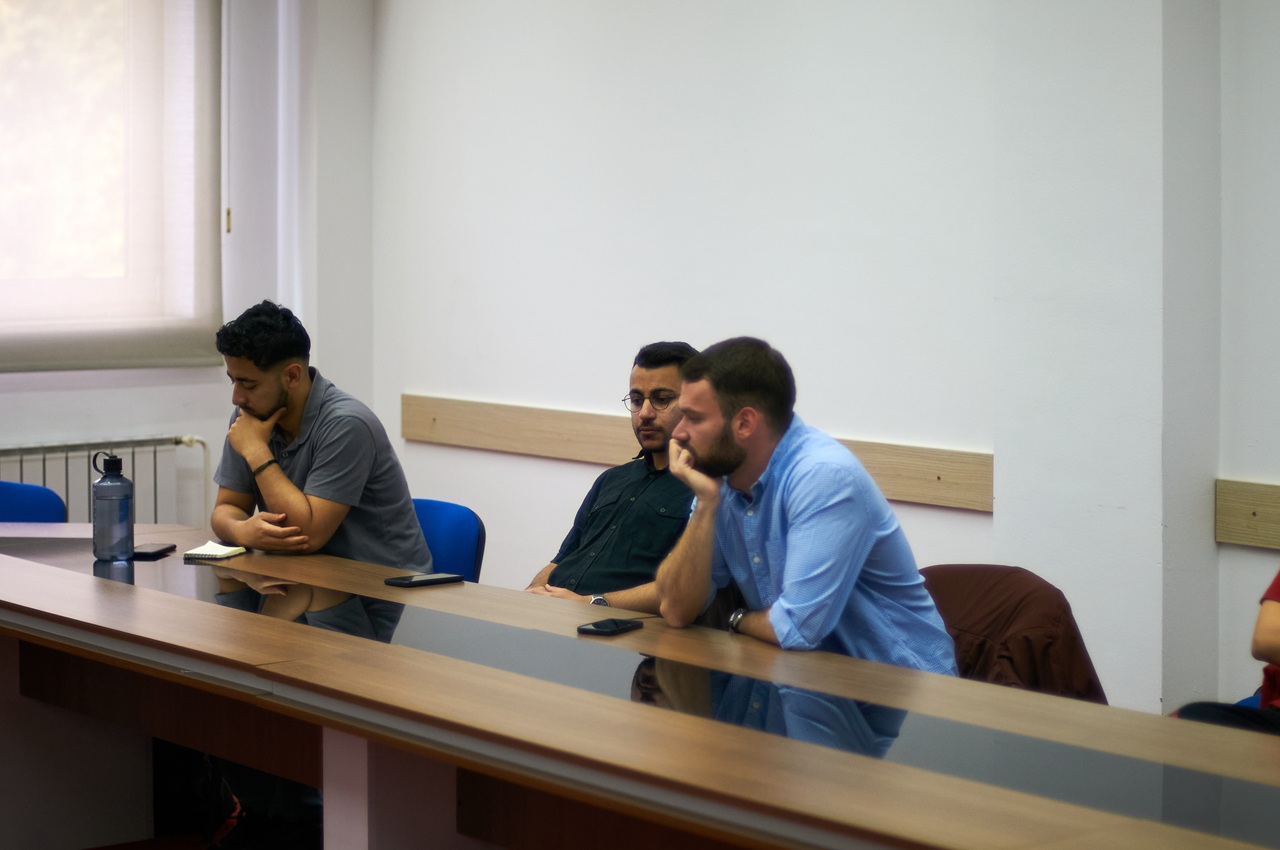
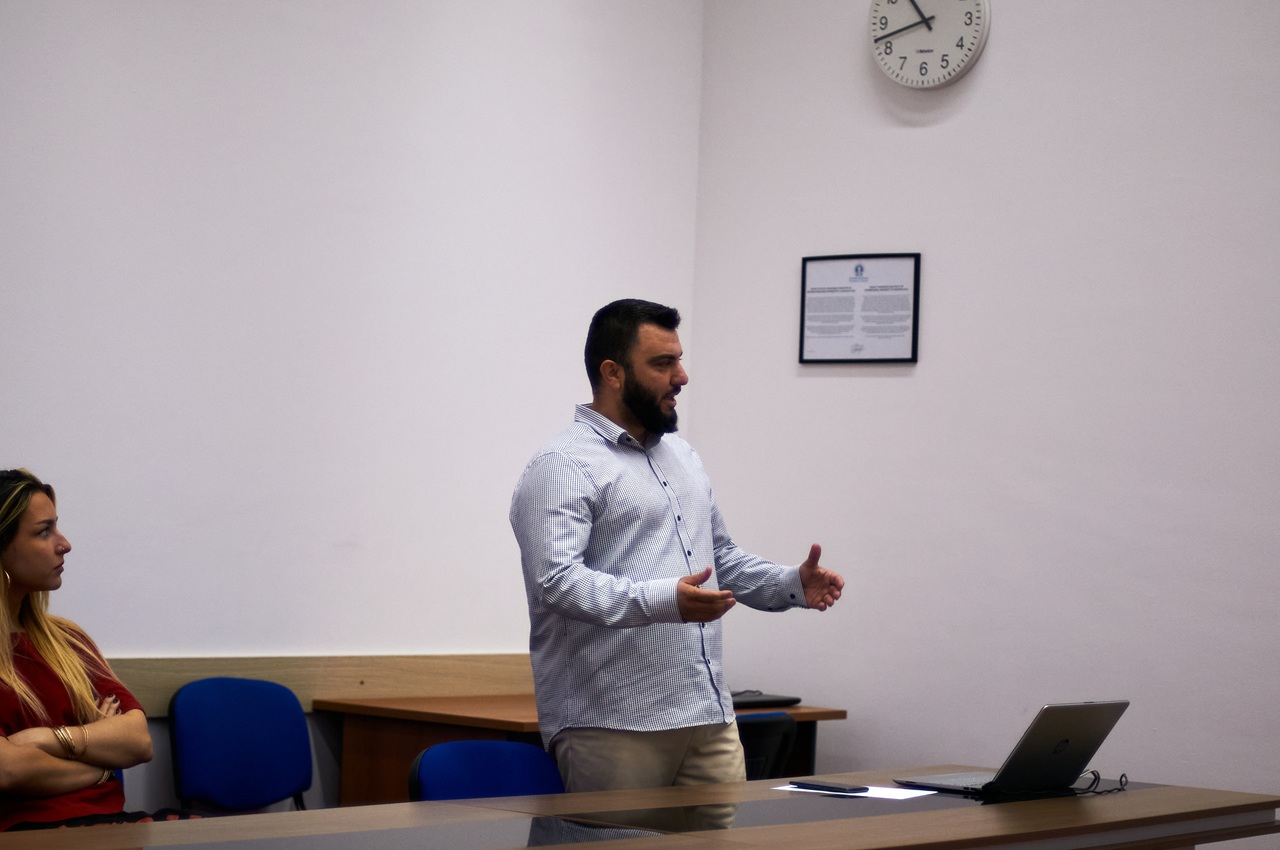
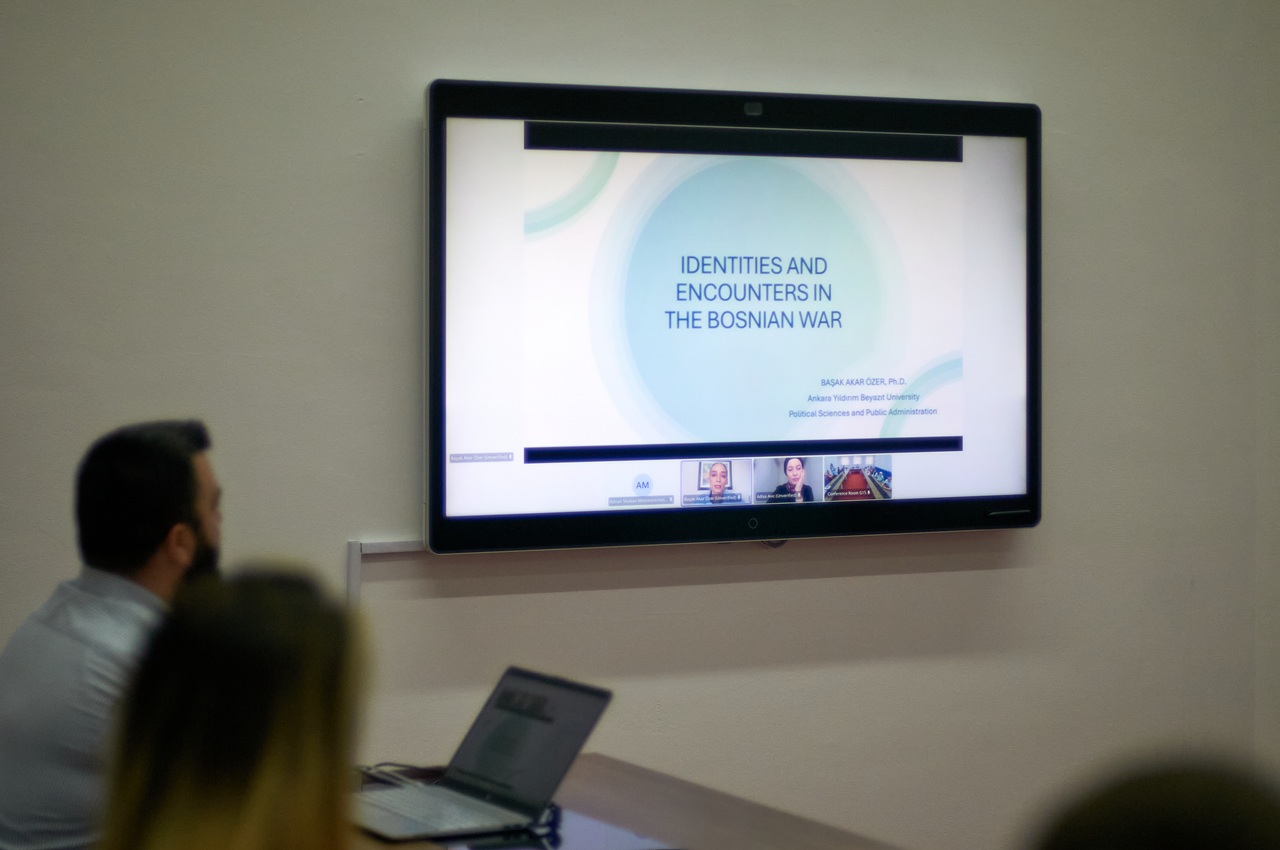
The IUS Balkan Studies Center (BSC), in collaboration with the Department of Political Science and International Relations, organized a panel discussion titled “Peacebuilding and Identity Politics in BiH: The Role of International Organizations.” The event brought together important academic perspectives on the relationship between peacebuilding, identity politics, and the role of international actors in Bosnia and Herzegovina.
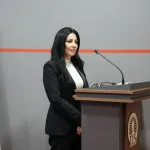
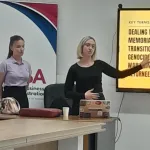
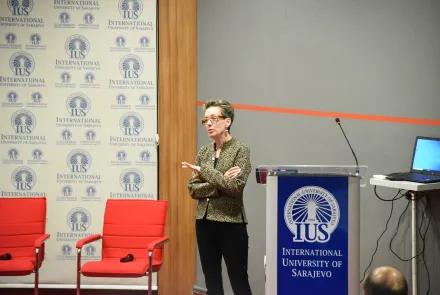
The session opened with a presentation by Asst. Prof. Dr. Başak Akar Özer on “Identity Politics and Peacebuilding in the Balkans.” She emphasized that many conflicts in the region stem from a constructed “us versus them” approach, arguing that such divisions were historically produced rather than naturally fixed. Highlighting the fluid and cultural nature of identities in the Balkans, she referred to Maria Todorova’s concept of “Balkanization” and explained how ethnic conflicts operate on both macro and micro levels. She also underlined that unconsolidated identities and the misuse of nationalist historical narratives remain among the main sources of regional tensions.
The second presentation, delivered by Asst. Prof. Dr. Adisa Avdić Küsmüş under the title “Peace Through Supervision: Lessons from Brčko District,” focused on Brčko as a successful example of post-conflict peacebuilding. She described Sarajevo as the “Jerusalem of Europe” because of its multicultural character and noted that Brčko similarly reflects the coexistence of different ethnic communities. She explained the district’s strategic importance, particularly during the Dayton Peace Agreement negotiations, and pointed out that the Brčko issue was resolved in 1999 under international supervision.
Dr. Avdić Küsmüş further explained that Brčko resembles the concept of a “free city,” similar to historical examples such as Kraków and Gdańsk. Although the area suffered severe wartime violence, including the discovery of 28 mass graves, she emphasized that Brčko remains one of Bosnia and Herzegovina’s most successful peacebuilding stories. She also noted that the Brčko model has inspired discussions on conflict resolution in places such as Mitrovica and Kirkuk. Among the positive practices highlighted were more inclusive public policies and shared civic symbols.
The panel offered participants a deeper understanding of the challenges of identity politics and the possibilities of sustainable peacebuilding in Bosnia and Herzegovina and the wider Balkan region. In conclusion, it was emphasized that overcoming divisive “us versus them” narratives and strengthening inclusive coexistence are essential for sustainable peace, while international supervision and the constructive role of the international community continue to play an important part in these processes.