







The Resilient Stories of Ruined Cities: The Unshakable March of Humanity – Examples of Syria, Palestine, Bosnia and Sumud
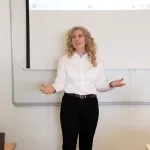
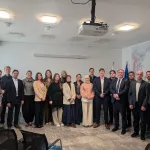
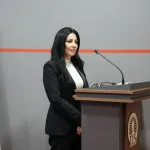
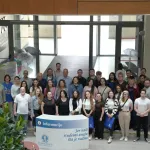
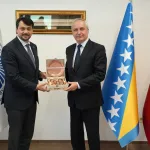
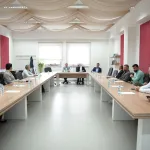
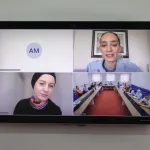
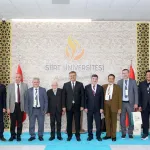
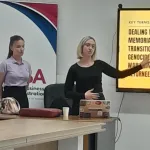
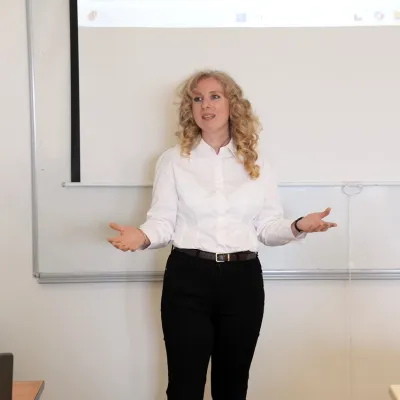
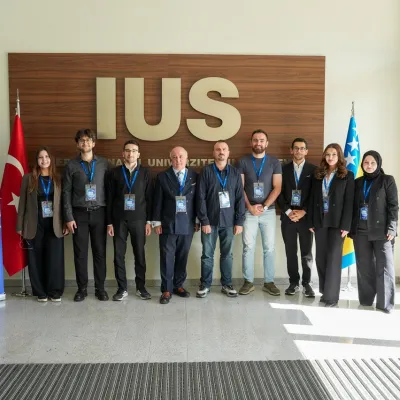
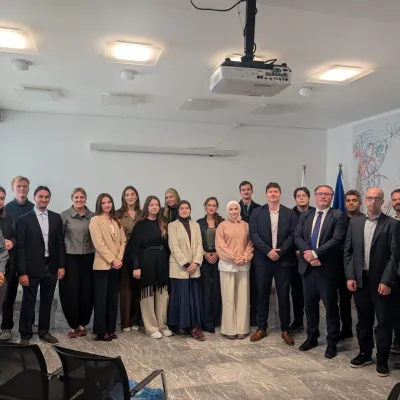
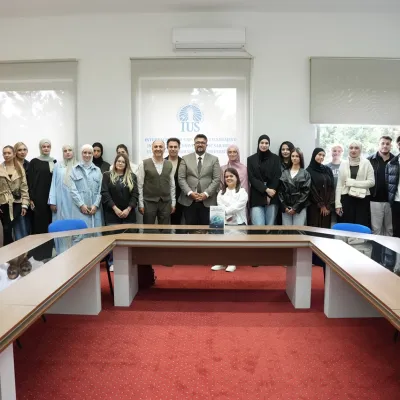
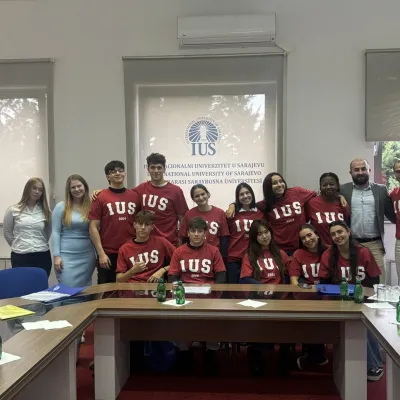
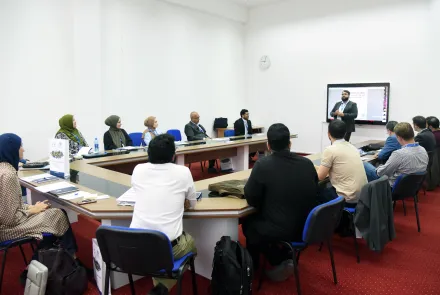
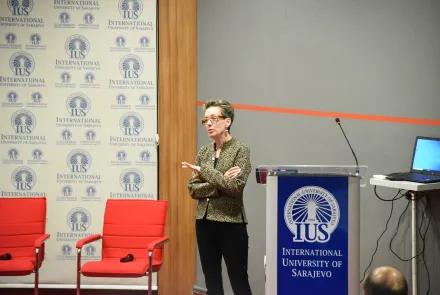
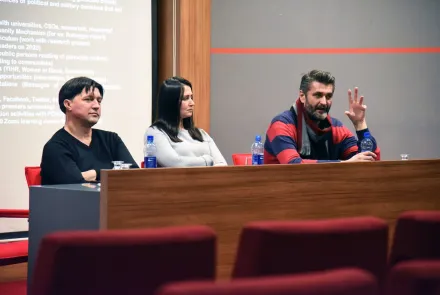
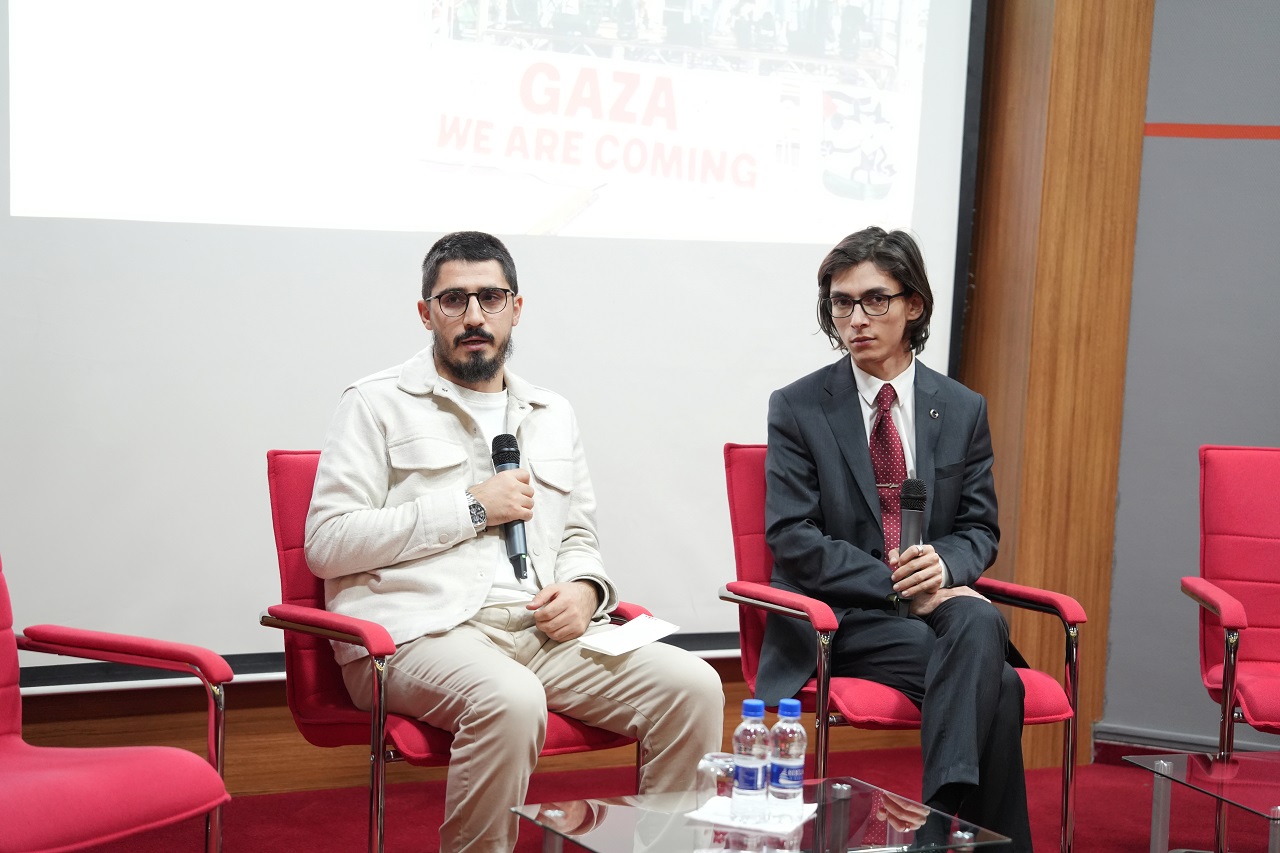
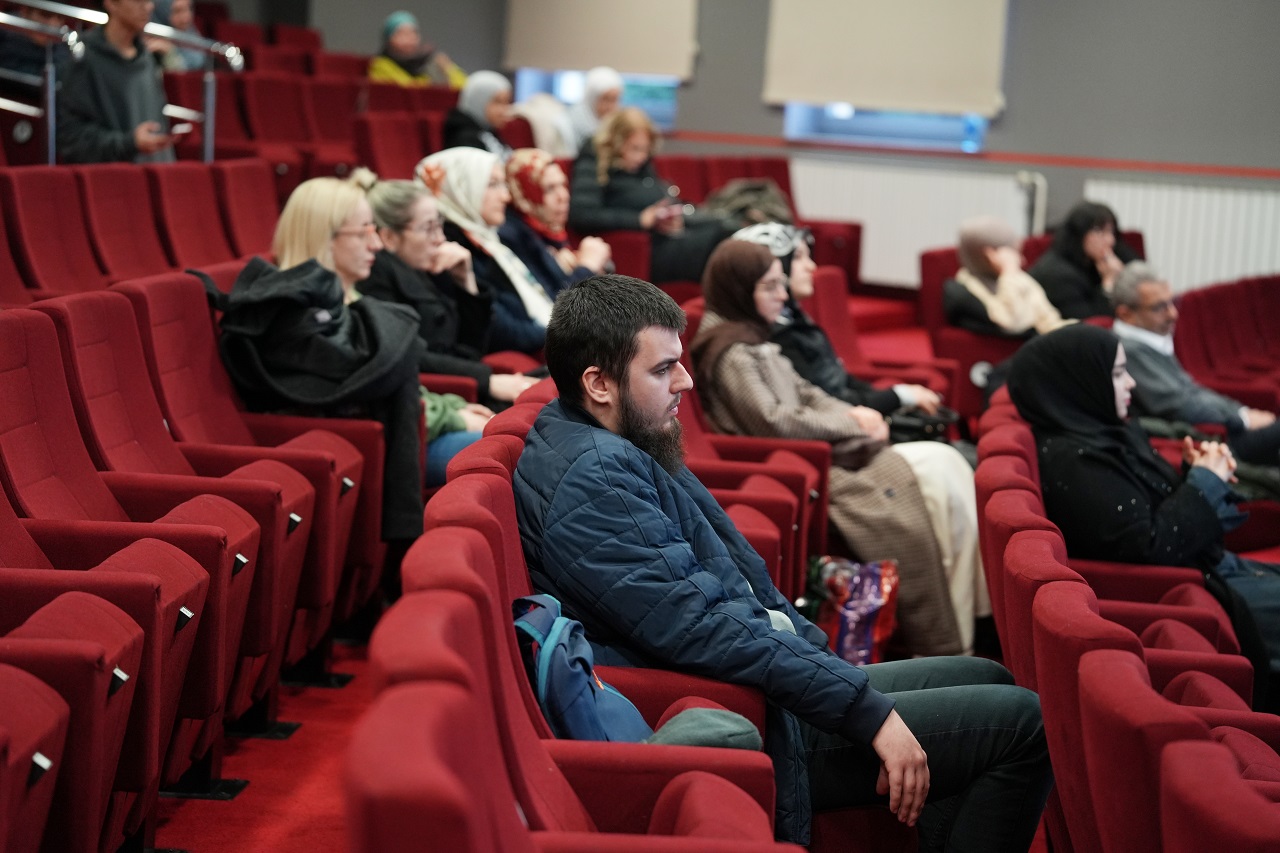
The IUS Balkan Studies Center (BSC), in cooperation with the Department of Political Science and International Relations (PSIR), organized a panel discussion addressing civilian suffering in Gaza and broader themes of resistance, dignity, and resilience. The panel brought together activists Ms. Tülay Gökçimen, Mr. Fatih Sinan, Mr. Boris Vitlačil, and Mr. Muhammed Huzeyfe Küçükaytekin, who shared perspectives on humanitarian activism, nonviolent resistance, and the importance of long-term solidarity efforts.
The event opened with a screening of the documentary “Surreal Syria” by Ms. Tülay Gökçimen, which set the context for the subsequent panel discussion. The discussion focused on the destruction of cities, the limitations and failures of international humanitarian mechanisms, and the ongoing struggle of affected populations to preserve life, identity, and hope.
Panelists emphasized that civilians in Gaza continue to lose their lives despite declared ceasefires, while international organizations face serious challenges in delivering effective humanitarian assistance. Activists involved in the Global Sumud Flotilla highlighted the critical role of civil society and nonviolent resistance, noting that although initiatives such as Sumud have achieved symbolic and practical impact, their effectiveness depends on sustained, long-term engagement.
Speakers also underlined the particular significance of Sarajevo as the host city, drawing parallels between Bosnia and Herzegovina’s experience during the 1990s and the current suffering in Palestine. The panel stressed that Bosnia’s history of siege, displacement, and post-war recovery provides a strong moral and political foundation for solidarity, advocacy, and international awareness.
The event concluded with a call for continuous activism and stronger international engagement to address what participants described as a prolonged and structural injustice, reaffirming the important role of universities and civil society in keeping such issues visible on the global agenda.
Watch the N1 report on the program here: